About Rebadging
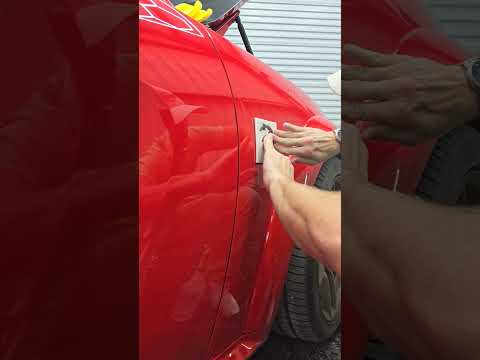
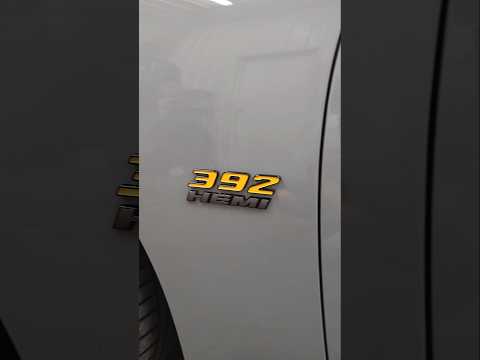
In the automotive industry, rebadging (also known as badge engineering, an intentionally ironic misnomer in that little or no actual engineering takes place) is a form of market segmentation used by automobile manufacturers around the world. To allow for product differentiation without designing or engineering a new model or brand (at high cost or risk), a manufacturer creates a distinct automobile by applying a new "badge" or trademark (brand, logo, or manufacturer's name/make/marque) to an existing product line. The term originated with the practice of replacing an automobile's emblems to create an ostensibly new model sold by a different maker. Changes may be confined to swapping badges and emblems, or may encompass minor styling differences, as with cosmetic changes to headlights, taillights, front and rear fascias, and even outer body skins. More extreme examples involve differing engines and drivetrains. The objective is "to spread the huge development costs of a new vehicle over as many cars as possible". An example is General Motors' rebadging of the Camaro as the Firebird, a successful model from the 1960s through to the 2000s.
Read more on Wikipedia →