DKW — Rare Footage & Clips
The DKW marque has left an indelible mark on the automotive world, its legacy spanning over nine decades. Founded by Danish engineer Jørgen Skafte Rasmussen in 1916, DKW began as a manufacturer of steam fittings, but it was not long before the company shifted its focus to producing two-stroke engines and motorcycles. The name "DKW" is an acronym derived from the German phrase Dampfkraftwagen, referring to the initial attempt at building a steam-powered car.
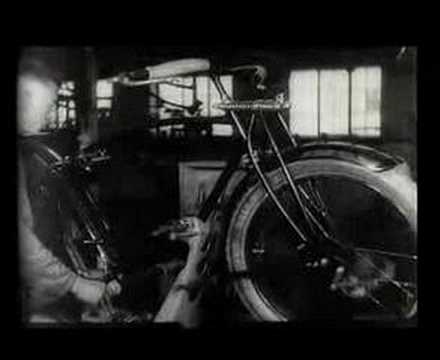
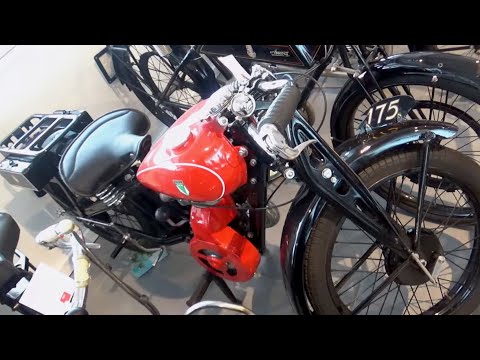
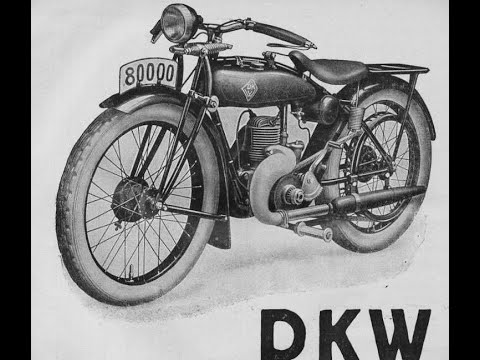
The archive on RedlineArchive features an extensive collection of clips showcasing DKW's rich history, from its early days as a motorcycle manufacturer to its involvement in World War II and post-war revival. The 1927 promotional film "DKW Motorrader" is a testament to the company's success during this period, highlighting the popularity of their motorcycles in Germany. With over 100,000 units sold annually, DKW had become the world's largest motorcycle manufacturer by the late 1920s.
One of the most fascinating aspects of DKW's history is its connection to the development of two-stroke engines. The company's toy two-stroke engines, produced under the name des Knaben Wunsch – the boy's wish, laid the groundwork for their innovative engine designs. By incorporating these engines into motorcycles, DKW created a reliable and efficient power source that would become a hallmark of the brand.
In 1932, DKW merged with Audi, Horch, and Wanderer to form Auto Union, a move that would have far-reaching consequences for the company's future. After World War II, DKW relocated to West Germany, while the original factory in Zschopau became MZ. The post-war period saw DKW continue to produce motorcycles, but also expand into car manufacturing.
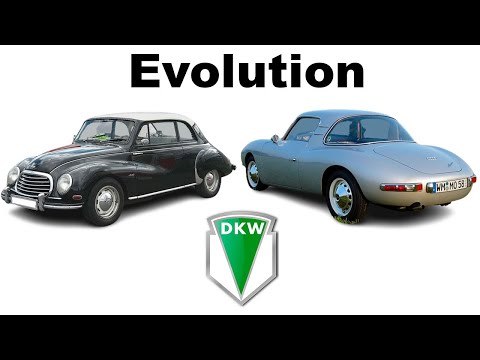
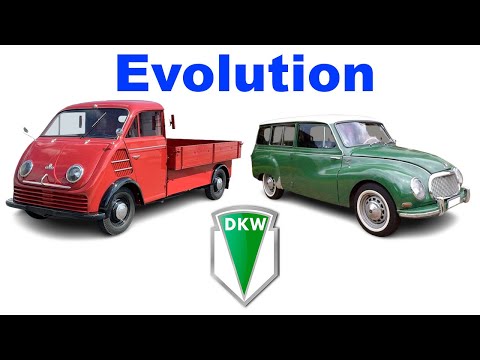
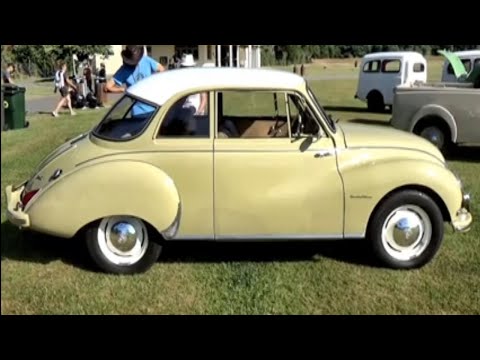
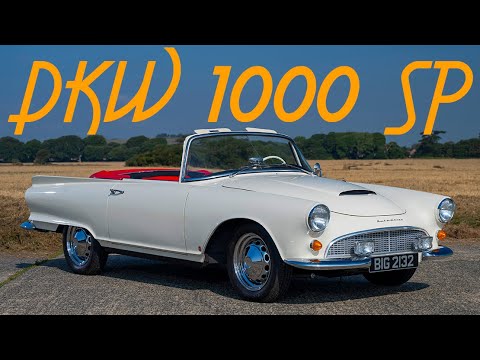
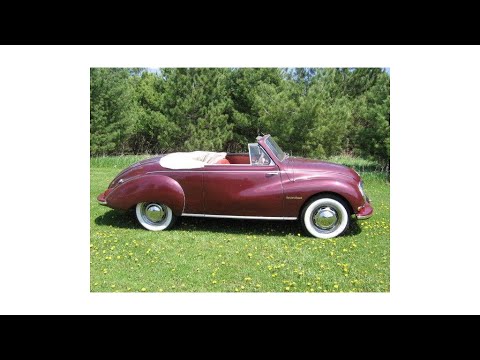
The clip "DKW - EVOLUTION" (1976) provides an insightful look at the company's growth and development during this time. Featuring a range of models from the 1930s to the 1970s, the film highlights the evolution of DKW's design language, from the sleek lines of the Luxus model in 1931 to the more angular shapes of the 1950s and '60s.
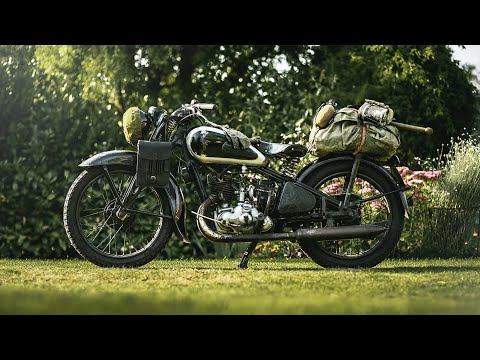
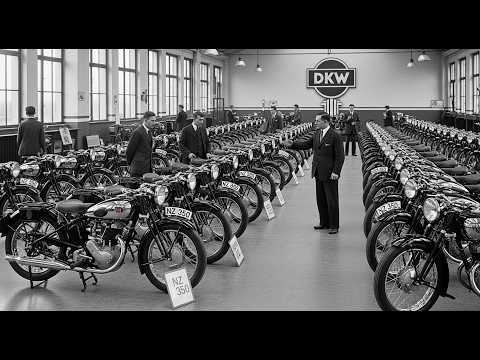
DKW's involvement in World War II is a somber aspect of its history. The company produced motorcycles for military use, as evident in the clip "Inside the DKW NZ 350 Factory – How Germany Built War Motorcycles (Full Process)". This documentary-style film provides an intimate look at the manufacturing process, showcasing the dedication and skill of the workers involved.
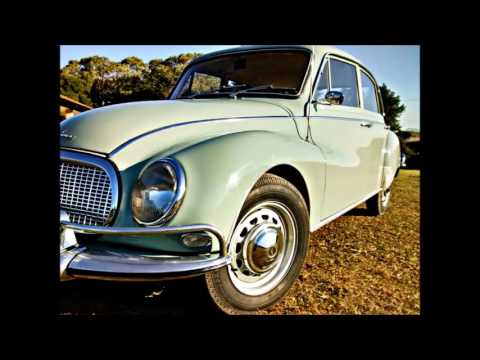
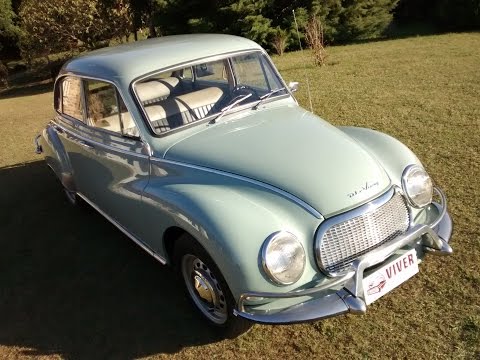
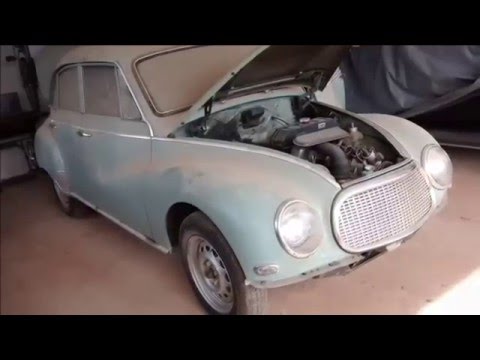
The Volkswagen Group's acquisition of Auto Union in 1964 marked a significant turning point for DKW. Under new ownership, the company continued to produce cars, including the popular Belcar model featured in "DKW Belcar 1964 - Antes e Depois". This clip offers a unique glimpse into the design and engineering that went into creating these vehicles.
In addition to its automotive endeavors, DKW has also made an impact on music history. Although not directly related to music production or performance, the company's name has been referenced in various contexts. However, it is worth noting that this connection is purely anecdotal and not based on any concrete evidence.
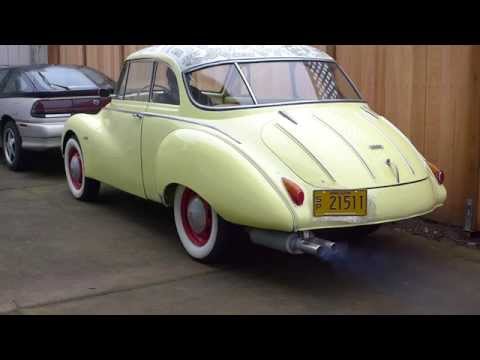
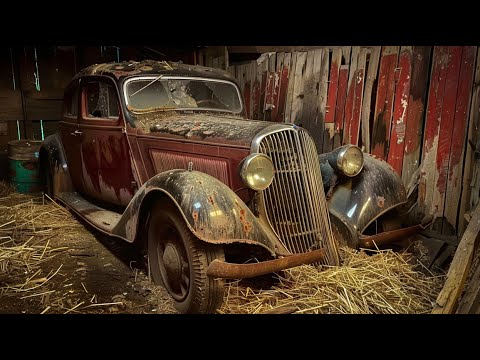
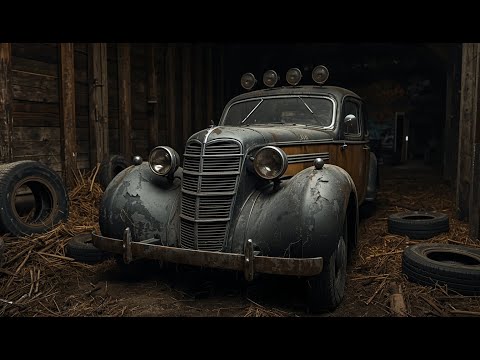
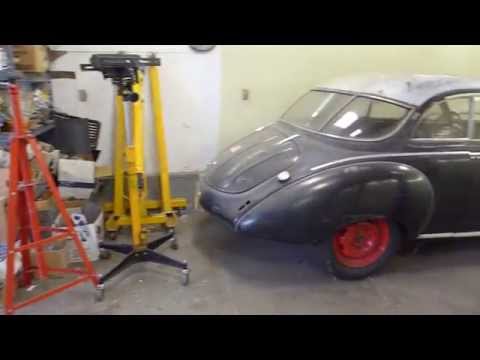
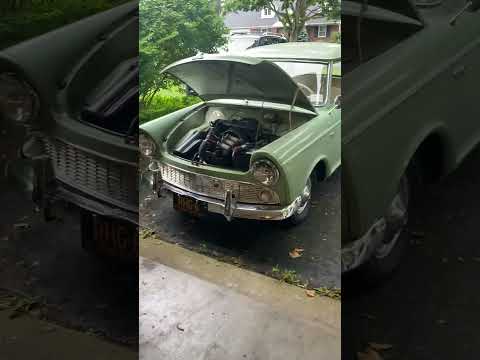
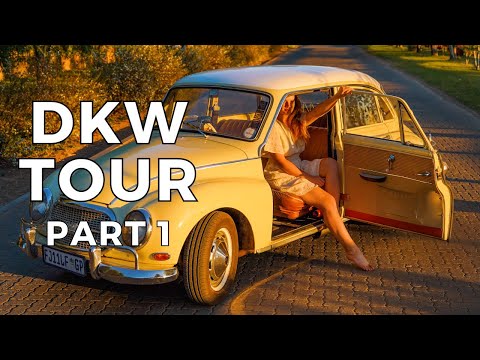
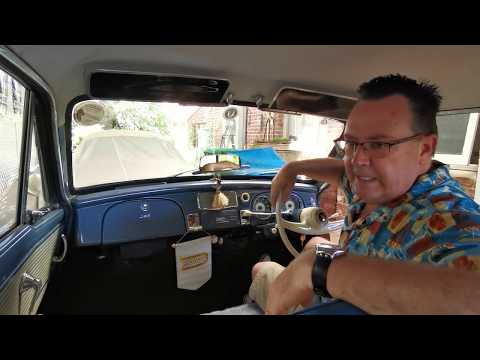
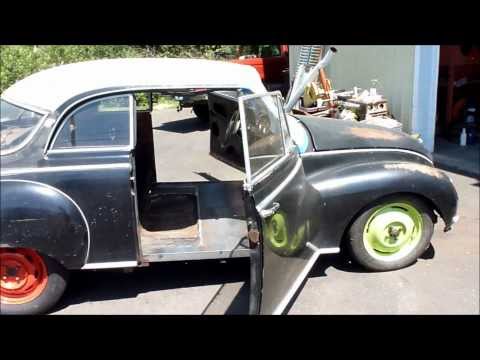
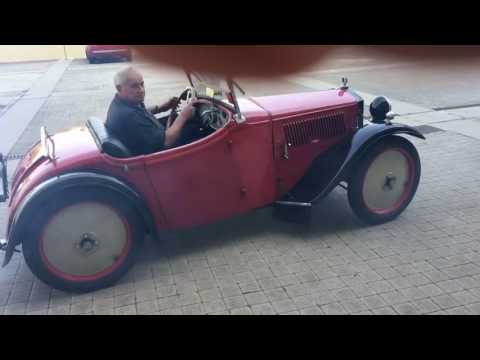
The archive on RedlineArchive features a range of clips showcasing DKW's post-war revival, including "Rusty Car Restoration Miracle | 1939 DKW Barn Find" and "My BARN FIND DKW Junior Gets Its First NEW PARTS In 60 YEARS!". These films highlight the dedication of enthusiasts and restorers who work tirelessly to preserve these vintage vehicles.
DKW's legacy extends beyond its own production history, as it has influenced numerous other manufacturers. The company's innovative two-stroke engine designs have been adopted by various brands, while its design language has inspired countless others. As an ancestor of the modern-day Audi company, DKW's impact on the automotive world is undeniable.
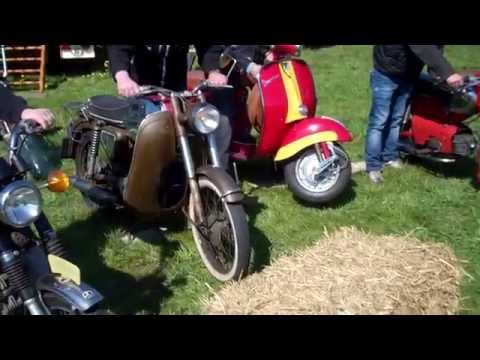
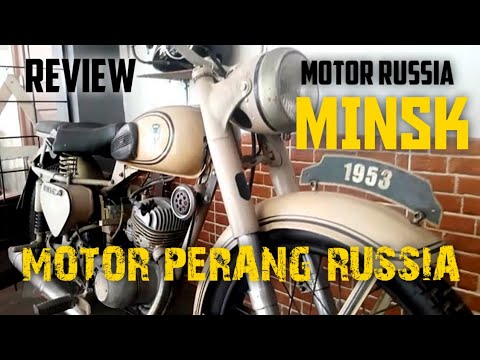
The clip "MINSK | DKW UNION RUSSIAN | MINSK M1A | MINSK 103" (1953) offers a glimpse into DKW's international presence during this period. Featuring a range of models from the 1950s, including the Minska and Minska 103, this film highlights the company's commitment to exporting its vehicles worldwide.
In conclusion, the DKW marque has left an indelible mark on the automotive world, with a rich history spanning over nine decades. From its early days as a motorcycle manufacturer to its post-war revival, DKW's legacy is a testament to innovation and perseverance. As we continue to explore the archives on RedlineArchive, it becomes increasingly clear that DKW's influence extends far beyond its own production history, shaping the course of automotive development for generations to come.
Curated from public records and music databases.