RedlineArchive
BrowseMarquesTimelineMapDecadesSubmit

RedlineArchive

The ultimate curated collection of automotive video content. From barn finds to hypercars.

BrowseMarquesClassesDecadesSubmit a ClipAboutContactEditorial PolicyArticles

© 2026 RedlineArchive. All footage remains the property of its original creators.

Privacy PolicyTerms of UseSupport

Developed with love as a personal project by Jamie McDonnell

ui-ux-design.comai-consultancy.company
1927 DKW Produktion in Zschopau. Video edited, enhanced. — RedlineArchive
PreviousUse arrow keysNext
0 views
Share this clip

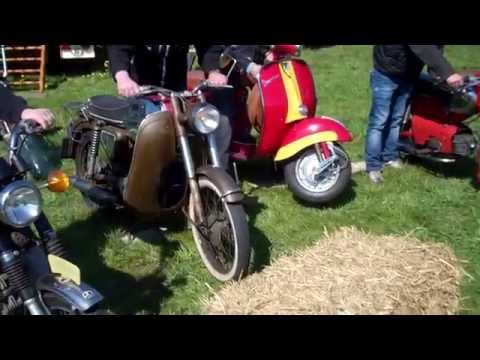
1927 DKW Produktion in Zschopau. Video edited, enhanced.

DKW
2010s2016youtube

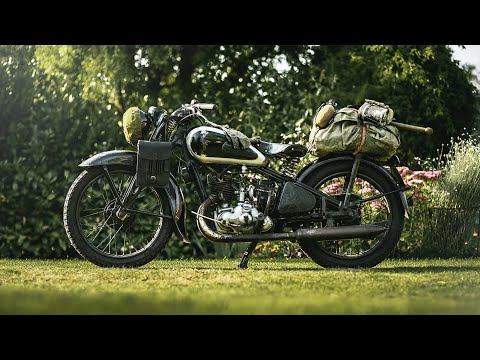
From 1922 to 2016, motorized two-wheelers were primarily produced under the brands DKW (from 1922 to 1951, with an interruption due to the war) and MZ (from 1956 to 2008). The history of regional motorcycle construction primarily contributes to the popularity of Zschopau, which has officially been able to call itself a motorcycle city since 2021. From 1907 onwards, the Zschopauer Maschinenfabrik J. S. Rasmussen primarily manufactured fittings and assemblies for steam generators in Zschopau. Steam engines developed during World War I remained prototypes; What remained permanent, however, was the acronym DKW derived from it. In 1918, the production of combustion engines based on the two-stroke principle began with a toy engine. Its further development into an auxiliary bicycle motor helped the company achieve a breakthrough and led to the start of series production of motorcycles in 1922. In addition to product quality, product advertising under sales manager Carl Hahn and numerous racing successes played a decisive role in the rapid rise that followed: the world's first motorcycle assembly line was in Zschopau in 1926 and in 1928 DKW was the world's largest motorcycle factory for the first time, measured in terms of the number of units produced . Video edited, enhanced, sound, titles added.


Know someone who'd love this clip?

Share it with friends and fellow fans.

Share this clip

Keep Exploring

2000s2020sAll CarsAll ClassesAll Decades

About DKW

DKW was a German car and motorcycle marque. DKW was one of the four companies that formed Auto Union in 1932 and thus became an ancestor of the modern-day Audi company. In 1916, Danish engineer Jørgen Skafte Rasmussen founded a factory in Zschopau, Saxony, Germany, to produce steam fittings. That year he attempted to produce a steam-power car; German: Dampfkraftwagen, from which the acronym DKW is derived. That steam car was unsuccessful, and in 1919 he made toy two-stroke engines under the nam...

More about DKW→

Added 2 Apr 2026

Browse by Type
More from 2010s

More from the 2010s

View all →
Thumbnail for The History of the Silver Arrows - MERCEDES AMG PETRONAS Road to 2015 F16:42

The History of the Silver Arrows - MERCEDES AMG PETRONAS Road to 2015 F1

2010s
Thumbnail for The Winning Formula Experience Event2:43

The Winning Formula Experience Event

2010s
Thumbnail for Savouring a Moment: The 2017 Silver Arrow is Born by Mercedes-AMG, Car1:23

Savouring a Moment: The 2017 Silver Arrow is Born

Mercedes-AMG, Car

2010s
Thumbnail for Road to 2015 - Episode 1 (FULL VERSION) - The History of the Silver Arrows by Mercedes-AMG, Mercedes-Benz8:13

Road to 2015 - Episode 1 (FULL VERSION) - The History of the Silver Arrows

Mercedes-AMG, Mercedes-Benz

2010s

About This Footage

The 1927 DKW production footage is a rare gem that offers a glimpse into the early days of German automotive manufacturing. Shot in 2016, this video provides an edited and enhanced look at the assembly line process of one of Germany's most iconic car marques, DKW.

What makes this footage particularly interesting is its historical significance. The Zschopau factory, where the footage was shot, has a rich history dating back to 1907 when it primarily manufactured fittings and assemblies for steam generators. However, with the onset of World War I, the company shifted its focus towards developing combustion engines based on the two-stroke principle. This marked the beginning of DKW's journey as a prominent motorcycle manufacturer.

The video showcases the assembly line process in 1927, which was a pivotal year for DKW. By this time, the company had already established itself as a leader in motorcycle production, with its world-first assembly line introduced in 1926 and becoming the largest motorcycle factory globally by 1928. The footage provides a fascinating look at the manufacturing process of the era, highlighting the attention to detail and precision that went into building these early motorcycles.

The DKW marque is also notable for its connection to the modern-day Audi company. As one of the four companies that formed Auto Union in 1932, DKW played a significant role in shaping the automotive landscape in Germany. The video's historical context adds depth to our understanding of the evolution of German automotive manufacturing and the impact of companies like DKW on the industry.

The production values of this footage are also noteworthy. Shot in 2016, the video has been edited and enhanced with added sound effects and titles. While these enhancements may not be historically accurate, they do provide a more engaging viewing experience for modern audiences. The attention to detail in the editing process is evident, making the footage feel both nostalgic and fresh.

The significance of this footage extends beyond its historical value. It also serves as a testament to the ingenuity and innovation that characterized the early days of automotive manufacturing. The two-stroke principle, which was pioneered by DKW, revolutionized engine design and paved the way for future advancements in the industry.

In conclusion, the 1927 DKW production footage is a rare and fascinating look at the early days of German automotive manufacturing. With its historical significance, attention to detail, and engaging production values, this video is a must-watch for anyone interested in the evolution of the automotive industry.

Curated from public records and music databases.

More from DKW

View all →
Thumbnail for Nash and DKW rusty floorboard progress by DKW1:57

Nash and DKW rusty floorboard progress

DKW

Thumbnail for Wer baute das bessere Auto? IFA F9 vs. DKW F89 im direkten Vergleich by DKW21:14

Wer baute das bessere Auto? IFA F9 vs. DKW F89 im direkten Vergleich

DKW

1950sComparison
Thumbnail for 1956 DKW 2 seat convertible - coach built by the factory (photo slideshow) by DKW1:22

1956 DKW 2 seat convertible - coach built by the factory (photo slideshow)

DKW

1950s
Thumbnail for Coleção Esquecida de Carros Antigos #6 DKW Belcar 1964 by DKW2:37

Coleção Esquecida de Carros Antigos #6 DKW Belcar 1964

DKW

1960sRestoration