0 views
Share this clip
Know someone who'd love this clip?
Share it with friends and fellow fans.
Share this clip
Know someone who'd love this clip?
Share it with friends and fellow fans.
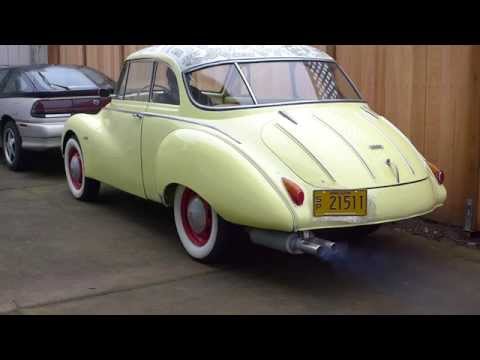
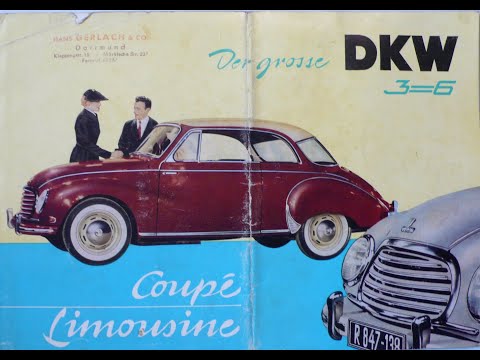
Este #DKW pertence a "Incrível Coleção Esquecida de Carros Antigos" e foi resgatado em dezembro de 2015 (https://youtu.be/bg-LRFRItBM). Foram 6 meses de boas descobertas. O carro possui elevado nível de originalidade, contando com rádio original (funcionando), tapetes e forrações originais Vemag, e também ferramentas de fábrica. Foi minuciosamente revisado e revitalizado pela Carneiro Garagem e Restauração de Veículos, Campo Largo/PR. Hoje participa de encontros e chama muita atenção por onde passa. DKW, fábrica alemã de motocicletas e automóveis fundada em 1916. Em 1932 se uniu a Audi, Horch e a Wanderer para formar a #Auto Union (a famosa logomarca das quatro argolas). A sigla DKW ficou conhecida como "Das Kleine Wunder", ou "a pequena maravilha". Foram fabricados no Brasil pela Vemag, entre 1956 e 1967. Tornaram-se queridos no Brasil devido ao sucesso em competições e ao ronco inconfundível de seus motores 2 tempos, sendo pilotados por grandes nomes do automobilismo como Bird Clemente, Emerson #Fittipaldi e Mario César de Camargo Filho, o Marinho. This DKW belongs to "Amazing Overlooked Collection of Antique Cars" and was rescued in December 2015 (https://youtu.be/wiZP82LkDSU). There were 6 months of good findings. The car has a high level of originality, with original radio (working), carpets and original Vemag ground covers, and also factory tools. It has been thoroughly revised and revitalized. Now participates in meetings and draws much attention wherever he goes. The study was conducted by Carneiro Garage e Vehicle Restoration. DKW 1964 resurrects after 20 years. The DKW was a German factory of motorcycles and automobiles founded in 1916. In 1932 he joined Audi, Horch and Wanderer to form Auto Union (the famous logo of the four rings). The acronym DKW became known as "Das Kleine Wunder", or "little wonder". They were manufactured in Brazil by Vemag between 1956 and 1967. They became sweethearts in Brazil due to the success in competitions and the unmistakable roar of their engines 2 times, being piloted by great motorsport names like Bird Clemente, Emerson Fittipaldi and Mario Cesar Camargo Filho, the Marinho.
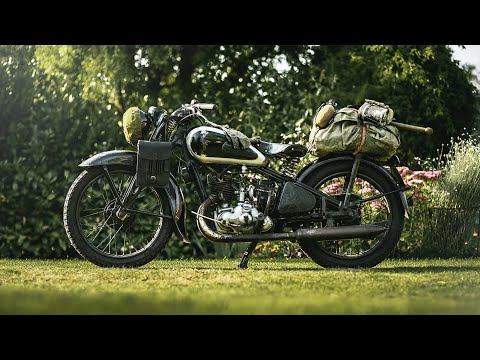
DKW was a German car and motorcycle marque. DKW was one of the four companies that formed Auto Union in 1932 and thus became an ancestor of the modern-day Audi company. In 1916, Danish engineer Jørgen Skafte Rasmussen founded a factory in Zschopau, Saxony, Germany, to produce steam fittings. That year he attempted to produce a steam-power car; German: Dampfkraftwagen, from which the acronym DKW is derived. That steam car was unsuccessful, and in 1919 he made toy two-stroke engines under the nam...
More about DKW→Added
This restoration footage of a 1964 DKW Belcar is a treasure trove for enthusiasts of vintage cars, offering a glimpse into the meticulous process of reviving a piece of automotive history. The clip, which clocks in at 2:16 minutes, provides an intimate look at the painstaking work involved in restoring a classic vehicle to its former glory.
The DKW Belcar, with its sleek design and distinctive two-stroke engine, is a rare find even among collectors. Its high level of originality, as evidenced by the working radio, carpets, and Vemag ground covers, makes it a standout example of a well-preserved classic car. The fact that this particular vehicle has been rescued from obscurity and is now participating in meetings and drawing attention wherever it goes is a testament to the dedication of its restorers.
The DKW's history as a German marque with roots dating back to 1916, and its subsequent merger with Audi, Horch, and Wanderer to form Auto Union, adds an extra layer of significance to this restoration project. As one of the four companies that formed the modern-day Audi conglomerate, DKW's legacy is inextricably linked to the evolution of German automotive engineering.
The fact that DKW was manufactured in Brazil by Vemag between 1956 and 1967 also highlights the marque's global reach and influence. The success of these cars in Brazilian competitions, coupled with their distinctive two-stroke engine sound, has made them beloved by enthusiasts on both sides of the Atlantic.
This restoration project is a prime example of the passion and expertise that goes into preserving classic vehicles. The attention to detail, from the original radio to the factory tools, demonstrates the commitment of the restorers at Carneiro Garage e Vehicle Restoration to authenticity. By sharing this footage with the world, we are given a rare glimpse into the process of reviving a piece of automotive history, and the end result is nothing short of breathtaking.
As we watch the DKW Belcar come back to life, its original components restored to their former glory, it's impossible not to feel a sense of awe at the craftsmanship involved. This restoration project serves as a reminder that even the most obscure and forgotten vehicles can be brought back to life with dedication and expertise. The DKW Belcar is more than just a car – it's a testament to the power of preservation and a celebration of automotive heritage.
Curated from public records and music databases.
 16:06
16:06Ford Galaxie
 30:07
30:07Ford Galaxie
 5:07
5:07Ford Galaxie
 19:43
19:43Ford Galaxie