About This Footage
The 1956 Heinkel Kabine is a fascinating footnote in the annals of automotive history, and this clip page offers a captivating glimpse into its story. The car itself is an intriguing example of post-war German ingenuity, born from the creative endeavors of Ernst Heinkel, a renowned aircraft engineer who found himself at a crossroads after World War II.
Heinkel's background as a designer of Luftwaffe bombers lends an air of irony to his subsequent work on the Kabine. The fact that he was banned from building planes is a testament to the harsh realities of post-war Germany, where resources were scarce and innovation had to adapt to new circumstances. Heinkel's response was to channel his expertise into creating a car, one that would not only meet but defy the expectations of its time.
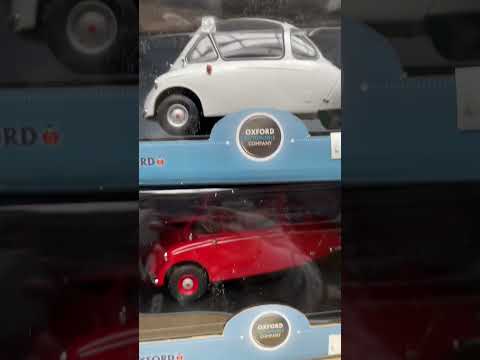
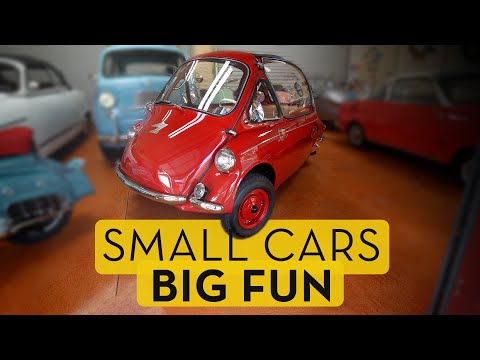
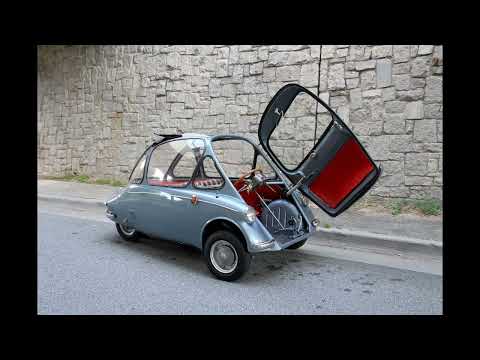
The Heinkel Kabine itself is an aesthetic marvel, with its sleek, bubble-like design and three-wheeled configuration. The clip page highlights the car's unique features, including its single front door, sunroof emergency exit, and diminutive engine – "small enough to power a blender," as the YouTube description quips. These characteristics not only reflect the Kabine's microcar status but also underscore Heinkel's commitment to innovative design.
The story of the Heinkel Kabine is also one of perseverance and adaptation. Despite initial production challenges in Germany, the car was eventually licensed for manufacture in Ireland and later in the UK, where it continued to be built under various names until 1966. This transfer of production not only speaks to the car's enduring appeal but also highlights the complexities of post-war European industry.
The clip page's description of the Heinkel Kabine as a "cult classic" that defined an era of microcars is well-deserved. The car's impact on automotive history extends beyond its own design, influencing generations of tiny cars and bubble cars that followed in its wake. As such, this footage serves as a valuable resource for enthusiasts and historians alike, offering a glimpse into the creative spirit of post-war Germany and the innovative thinking that shaped the automotive landscape.
The Heinkel Kabine's place within the broader context of automotive history is multifaceted. On one hand, it represents a response to the economic realities of post-war Europe, where resources were scarce and innovation had to be driven by necessity. On the other, it embodies the creative freedom and experimentation that characterized the era, as designers like Heinkel pushed the boundaries of what was possible with limited means.
Ultimately, this clip page offers more than just a nostalgic look at a bygone era; it provides a nuanced understanding of the complex forces that shaped automotive history in the mid-20th century. As such, it is a valuable resource for anyone interested in the intersection of design, innovation, and circumstance – and the enduring legacy of the Heinkel Kabine.
Curated from public records and music databases.