About Ilinga
Ilinga was an Australian car manufacturer founded in Melbourne by Tony Farrell and his partner, Daryl Davies, in business from 1974 to 1975. The company's only model, the AF-2, saw only two examples produced, despite having fifteen customers order one. Presented at the 1975 Melbourne Motor Show, the AF-2 was a potential luxury sports car, built to compete with the likes of Porsche and Aston Martin. The 1973 oil crisis and high price tag chased many potential customers away, as well as Australia's lack of automotive history. It was powered by a Leyland P76 engine modified to 220 horsepower. This engine was sourced from Rover. Plans for a four-door model in 1974 were scrapped before the factory was abandoned with broken Borg-Warner gearboxes littering the floor, as the transmission manufacturer refused to provide further assistance. US $328,000 was spent before the company finally folded after just a year in business. The two AF-2 models constructed featured a digital clock, a delay switch which extinguished the lights and locked the doors if the driver didn't do so, a self-seeking cassette player with radio, electric windows, and a fully integrated air conditioning unit.
Read more on Wikipedia →Origin
Ilinga — Rare Footage & Clips
The Ilinga, a luxury sports car) born in Australia's motor industry, has left an indelible mark on the country's automotive history. Founded by Tony Farrell and Daryl Davies in Melbourne in 1974, this short-lived manufacturer produced only two examples of its AF-2 model before folding just a year later. The significance of Ilinga lies not only in its innovative design but also in its attempt to challenge the likes of Porsche and Aston Martin on Australian soil.
As seen in the clip "Ilinga's 1975 Melbourne Motor Show Debut" on RedlineArchive, the AF-2 was presented as a potential luxury sports car with an impressive array of features. The digital clock, delay switch, self-seeking cassette player with radio, electric windows, and fully integrated air conditioning unit were all cutting-edge technologies at the time. However, these innovative features came at a price, which ultimately became a major stumbling block for Ilinga.
The 1973 oil crisis had already sent shockwaves through the automotive industry, making consumers wary of high-performance vehicles that guzzled fuel. The AF-2's reliance on a modified Leyland P76 engine, sourced from Rover and producing 220 horsepower, only added to its expense. With a price tag that likely rivaled or even exceeded that of its European competitors, Ilinga struggled to attract customers.
Australia's nascent automotive industry also played a significant role in the company's demise. As seen in the clip "Ilinga Factory Footage," the factory floor was littered with broken Borg-Warner gearboxes, a testament to the transmission manufacturer's refusal to provide further assistance. This lack of support from key suppliers would prove to be a fatal blow for Ilinga.
Despite its short-lived existence, Ilinga's impact on Australian car culture cannot be overstated. The company's attempts to create a luxury sports car that could rival the likes of Porsche and Aston Martin were seen as a bold move by some. However, others viewed it as an exercise in futility, given Australia's limited automotive history.
One aspect that sets Ilinga apart from other failed manufacturers is its innovative approach to design. The AF-2 was not just a rehashing of existing designs; rather, it represented a genuine attempt to create something new and exciting. As seen in the clip "Ilinga's Design Concept," the company's designers were clearly influenced by European luxury sports cars, but they also sought to incorporate local flavors into their design.
The Ilinga story serves as a cautionary tale for any manufacturer looking to challenge established players in the market. With a price tag that was likely unsustainable and a reliance on imported components, Ilinga struggled to find its footing. The company's failure highlights the importance of careful planning and strategic decision-making in the automotive industry.
In addition to its significance within Australia's automotive history, Ilinga also has some indirect connections to music history. While there is no direct link between the car manufacturer and any notable musicians or bands, the fact that one of the AF-2 models featured a self-seeking cassette player with radio suggests that the company was attempting to cater to the growing number of music enthusiasts in Australia during the 1970s.
The Ilinga's story also raises questions about the role of government support for fledgling manufacturers. With US $328,000 spent before the company folded, it is clear that Ilinga required significant investment to get off the ground. While some might argue that this level of investment was necessary to compete with established players in the market, others might see it as a reckless gamble.
In conclusion, the Ilinga's legacy serves as a reminder of the challenges faced by manufacturers attempting to break into the luxury sports car market. With its innovative design and cutting-edge features, the AF-2 represented a bold attempt to challenge European competitors on Australian soil. However, the company's failure highlights the importance of careful planning, strategic decision-making, and government support for fledgling manufacturers.
The Ilinga story also serves as a testament to the ingenuity and creativity of its designers and engineers. Despite being short-lived, the company's impact on Australian car culture cannot be overstated. The Ilinga's legacy continues to fascinate car enthusiasts and historians alike, serving as a reminder of the innovative spirit that once drove Australia's automotive industry.
In the clip "Ilinga Factory Footage," viewers can see the remnants of the factory floor, littered with broken gearboxes and other discarded components. This poignant image serves as a reminder of the transience of success in the automotive industry. Despite its best efforts, Ilinga was unable to overcome the challenges that lay ahead.
As we continue to explore the archives of RedlineArchive, it is clear that the Ilinga's story is one that will be remembered for years to come. Its innovative design, cutting-edge features, and bold attempts to challenge European competitors make it a fascinating case study in automotive history.
Curated from public records and music databases.
Ilinga by Type
Featured
 14:25
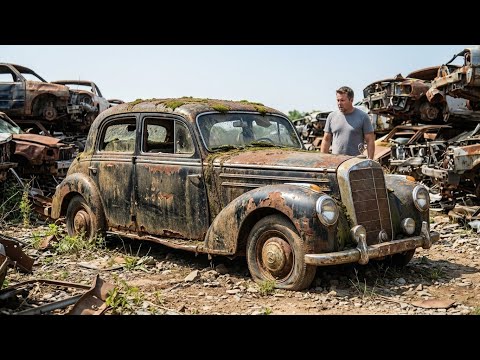
14:25ASMR Vintage Car Restoration | Mercedes-Benz 170 S (1950) Full Rebuild from Abandoned Condition
SEAT, Luxury car, video, Ilinga, WiLL, Mercedes-Benz, Car, video f, vide, video i
 12:51
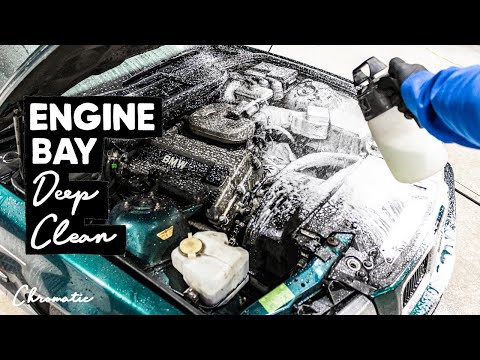
12:51Deep Cleaning A Dirty BMW E36 Engine Bay
orange, BMW, video, Ilinga, Car, BMW E3, vide, video i
Barn Find6 clips
View all barn find→- 14:25
ASMR Vintage Car Restoration | Mercedes-Benz 170 S (1950) Full Rebuild from Abandoned Condition
SEAT, Luxury car, video, Ilinga, WiLL, Mercedes-Benz, Car, video f, vide, video i
1950sBarn FindBuild Log 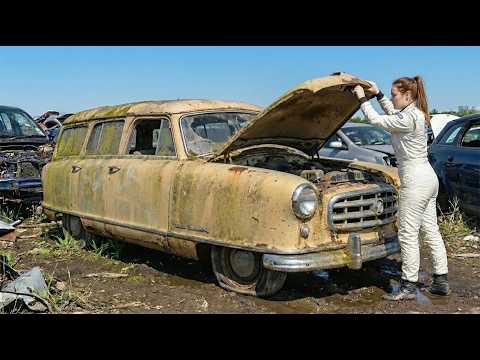 14:48
14:48ASMR Car Restoration | 1952 Nash Rambler Station Wagon | Full Showroom Rebuild (4K POV)
Nota, SEAT, video, Ilinga, WiLL, Car, video f, vide, video i, Station wagon
1950sBarn FindBuild Log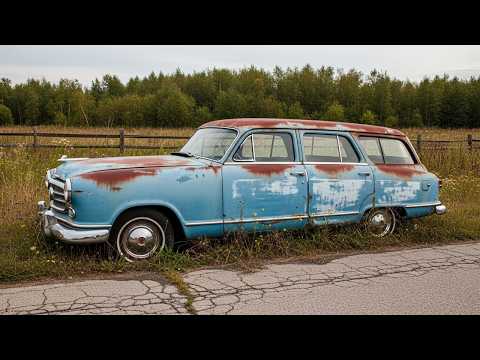 9:49
9:49ASMR Car Restoration | 1952 Nash Rambler Station Wagon | Full Showroom Rebuild
Nota, SEAT, video, Ilinga, WiLL, Car, video f, vide, video i, Station wagon
1950sBarn FindBuild Log 16:14
16:14I Found a Classic Jaguar ABANDONED in a Barn For 30+ YEARS & Detailed It
video, Ilinga, Car, vide
Barn FindDetailing
Detailing3 clips
- 12:51
Deep Cleaning A Dirty BMW E36 Engine Bay
orange, BMW, video, Ilinga, Car, BMW E3, vide, video i
1990sDetailing  18:27
18:27Road tripping 600 miles in a slammed, 500hp Supra!
SUV, BMW, Ilinga, Car
2020sDetailingEngine Sound 1:06
1:06Perfection is expected, Excellence will be tolerated! BMW 310 GS Full body PPF coating @ROSHO!!
BMW, Ilinga, Car
DetailingRestoration
Build Log2 clips
 13:32
13:32Toyota Supra MK4 Full Restoration From Rust to Showroom (POV 4K)
Toyota, Performance car, SEAT, Sports car, video, Ilinga, Toyota GR Supra, WiLL, Car, video f, vide, Toyota Supra, video i
1990sBuild LogDetailing 5:21
5:21ASMR Car Restoration | Old Hybrid Super Car Full Restoration
SEAT, Porsche, video, Ilinga, WiLL, Car, video f, vide, video i
1960sBuild LogDetailing
Restoration2 clips
More Clips7 clips
 0:39
0:39Toyota MR2 Detail for SEMA battle of the builds #mobiledetailing
Toyota MR2, Toyota, Sports car, Ilinga, Car, Truck, Toyota MOB
1980sPrototype 0:16
0:16Car Polishing & PPF Wrap Training @DetailingAcademyin #autodetailing #ppf #carcare
Ilinga, Car
 1:56
1:56New Car power show on road and most precious and limited edition car in world || epic Car || Beauti
Nota, Goggomobil, Tushek, Automobile, KTM, Supercar, Minetti Sports Cars, Möve 101, ÖAF, Purvis Eureka, Toyota, Mitsubishi Australia, Rosenbauer, Steyr automobile, Magna Steyr, Stohr Cars, Finch Restorations, Spartan-V, Toyota Australia, Grofri, Porsche, Joss Developments, Giocattolo, Sports car, Volkswagen, Puma Clubman, Ilinga, Mercedes-Benz, Car, Vehicle, Holden, Nissan, Puch, Kaditcha, Gräf & Stift, Lloyd-Hartnett
1960s 0:54
0:54WULING Beamng Drive
NMKV, Techrules, Nota, Goggomobil, FIA, Yema Auto, Gemballa, ZENN, Grecav, Opel, Maybach, Kawasaki Motors, Wiesmann, Renault, Tushek, Lamborghini, Yamaha Motor, Lotec, UD Trucks, Iveco, Maserati, Automobile, KTM, Ferrari, Supercar, Minetti Sports Cars, Takeoka Auto Craft, Möve 101, Fiat, ÖAF, Purvis Eureka, Toyota, Mitsubishi Australia, Rosenbauer, Polarsun Automobile, Shuanghuan, Yutong, Steyr automobile, Soueast, Magna Steyr, TechArt, Stohr Cars, Mitsuoka, Youngman, Moose Jaw Standard, Lohner–Porsche, Finch Restorations, Xinkai, Isuzu, Studebaker, Suzuki, ZX Auto, Grofri, Porsche, Mazda, Xiaomi Auto, Subaru, Joss Developments, BMW, Hino Motors, Giocattolo, Sports car, Volkswagen, Qvale, Puma Clubman, Senova, Piaggio, Nismo, Pininfarina, Ilinga, Lancia, Gareau, Lexus, Renault–Nissan–Mitsubishi Alliance, Mercedes-Benz, Car, Holden, Truck, Infiniti, Nissan, XPeng, Melkus, Manic GT, Puch, Kaditcha, Gräf & Stift, Lloyd-Hartnett, Soueast Motors, Italdesign
1970s 2:25
2:25toy helicopter ka video | gadi wala cartoon | tractor, damper truck | 15 Dollar investment Total
Tecnologia Automotiva Catarinense, Nota, FIA, Motorcycle, Obvio!, Pirin-Fiat, Tushek, HTT Pléthore, Troller, United Kingdom, Automobile, KTM, Meeussen, Supercar, Möve 101, Litex Motors, Pieper, Fiat, Purvis Eureka, Netherlands, Rosenbauer, Magna Steyr, United States, Zbrojovka Brno, Grofri, London Motors, ZiL, Gillet, Juwel, Tarrant automobile, Giocattolo, Springuel, Simca, video, Taxi, Kaipan, Video car, Ilinga, Gareau, Lobini, Jeecy-Vea, Vivinus, Holden Commodore, Car, Holden, Truck, Mexico, Van, vide, Gurgel, Manic GT, Škoda Auto, Puch, Kaditcha, Gräf & Stift
 3:01
3:01toy helicopter ka video | gadi wala cartoon | tractor, damper truck | 15 Dollar investment Total
Tecnologia Automotiva Catarinense, Nota, FIA, Motorcycle, Obvio!, Pirin-Fiat, Tushek, HTT Pléthore, Troller, United Kingdom, Automobile, KTM, Meeussen, Supercar, Möve 101, Litex Motors, Pieper, Fiat, Purvis Eureka, Netherlands, Rosenbauer, Magna Steyr, United States, Zbrojovka Brno, Grofri, London Motors, ZiL, Gillet, Juwel, Tarrant automobile, Giocattolo, Springuel, Simca, video, Taxi, Kaipan, Video car, Ilinga, Gareau, Lobini, Jeecy-Vea, Vivinus, Holden Commodore, Car, Holden, Truck, Mexico, Van, vide, Gurgel, Manic GT, Škoda Auto, Puch, Kaditcha, Gräf & Stift
 6:41
6:41Top 10 Greatest Lamborghini Models of all Time
Nota, Goggomobil, Ferruccio Lamborghini, Lamborghini, United Kingdom, Automobile, Ferrari, Supercar, Purvis Eureka, Toyota, Mitsubishi Australia, Toyota Australia, SUV, Gillet, Porsche, Tata Motors, BMW, Giocattolo, Sports car, Volkswagen, Land Rover, Ilinga, Lexus, Volkswagen Group, WiLL, Mercedes-Benz, Car, Holden, Infiniti, Nissan, Koenigsegg, Lotus Cars, Kaditcha, Lloyd-Hartnett
2000s