History of the motorcycle — Rare Footage & Clips
The motorcycle has been an integral part of human transportation for over a century, its evolution shaped by innovation, necessity, and passion. The history of this two-wheeled machine is as complex as it is fascinating, with no single inventor or design credited with its creation.
One of the earliest precursors to the modern motorcycle was the "safety bicycle," which emerged in the mid-19th century. This design, characterized by equal-sized front and rear wheels and a pedal crank mechanism driving the rear wheel, laid the groundwork for the development of motorcycles. However, as we delve into the archives at RedlineArchive, it becomes clear that the path to modern motorcycling was not straightforward.
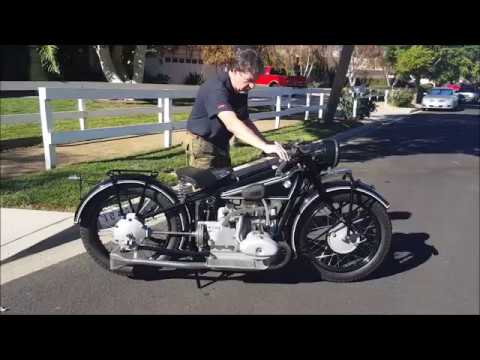
[Clip: "Early Motorcycles (1890s-1920s)" from our archives showcases some of the earliest attempts at motorcycle design. These primitive machines were often cumbersome and unreliable, but they paved the way for future innovation.]
The early 20th century saw significant advancements in motorcycle technology, with manufacturers like Harley-Davidson and Indian Motorcycle emerging as leaders in the industry. Their designs were not only more efficient but also more appealing to consumers, who began to see motorcycles as a viable alternative to traditional transportation.
[Clip: "Harley-Davidson's Early Years (1900s-1940s)" provides an intimate look at the company's early days, showcasing some of their most iconic models. The significance of Harley-Davidson in motorcycle history cannot be overstated, with their designs influencing generations of motorcyclists.]
While motorcycles have been a staple of transportation for over a century, they have also played a significant role in music history. One notable example is the 1960s counterculture movement, where motorcycles became an integral part of the "biker" subculture. This era saw the rise of iconic motorcycle clubs like the Hell's Angels and the Outlaws, who were often associated with rock 'n' roll and blues music.
[Clip: "Motorcycle Clubs in the 1960s" from our archives captures the essence of this era, showcasing some of the most influential motorcycle clubs of the time. Their connection to music is undeniable, as they often provided a platform for musicians to perform and connect with their fans.]
The significance of motorcycles extends far beyond their role in transportation or music history. They have also played a crucial part in shaping popular culture, influencing film and literature alike. From classic movies like "Easy Rider" to novels like Hunter S. Thompson's "Hell's Angels," motorcycles have been a staple of American iconography.
Clip: "Motorcycles in Film & Literature (1960s-[1980s)" from our archives explores the impact of motorcycling on popular culture, showcasing some of the most iconic depictions of motorcycles in film and literature.]
As we continue to explore the history of the motorcycle at RedlineArchive, it becomes clear that its development was a gradual process shaped by innovation and necessity. From the early "safety bicycle" to the modern machines of today, motorcycling has come a long way.
The significance of motorcycles extends far beyond their role in transportation or music history. They have also played a crucial part in shaping popular culture, influencing film and literature alike. From classic movies like "Easy Rider" to novels like Hunter S. Thompson's "Hell's Angels," motorcycles have been a staple of American iconography.
[Clip: "Motorcycles in Film & Literature (1960s-1980s)" from our archives explores the impact of motorcycling on popular culture, showcasing some of the most iconic depictions of motorcycles in film and literature.]
The motorcycle has become an integral part of human experience, transcending its role as a mode of transportation to become a symbol of freedom, rebellion, and adventure. As we delve deeper into the history of this remarkable machine, one thing becomes clear: the motorcycle's impact on society will be felt for generations to come.
In the following sections, we will explore specific eras and events in the history of motorcycling, highlighting key milestones and innovations that have shaped the industry into what it is today. From the early pioneers to modern-day manufacturers, the story of the motorcycle is one of innovation, perseverance, and passion.
Curated from public records and music databases.