Eysink — Rare Footage & Clips
The Eysink automobile is a rare gem in the annals of automotive history, hailing from the Netherlands where its story begins to unfold. Founded by the Eysink brothers from Amersfoort, this marque's early days were marked by a passion for innovation that would eventually lead them down the path of car manufacturing.
The Eysink brothers' journey into the world of automobiles began in 1897 when they built their first automobile. However, it wasn't until 1903 that production truly commenced with a range of shaft-driven motor cars. These early vehicles boasted impressive power outputs for their time, including 10/12 hp, 16/20 hp, and 20/30 hp models. A more powerful variant, the 30/40 hp six-cylinder engine, was also part of the lineup.
The Eysink brothers' decision to focus on shaft-driven cars in the early days is a testament to their commitment to innovation and experimentation. This design choice allowed for smoother power delivery and improved fuel efficiency, setting them apart from other manufacturers of the time. The 10/12 hp model, with its relatively modest power output, would likely appeal to drivers seeking a more leisurely driving experience.
One notable aspect of Eysink's production is their introduction of the Bébé in 1912. This light car was designed for the masses and marked a significant shift in the company's focus towards more accessible vehicles. The Bébé's popularity can be gauged from its continued production until 1919, with an impressive annual output of around 50 units.
The Eysink brothers' entry into the world of automobiles also had a profound impact on their native Netherlands. As the country's automotive industry began to take shape, Eysink played a significant role in shaping the nation's car culture. The company's commitment to innovation and quality helped establish the Netherlands as a hub for automotive excellence.
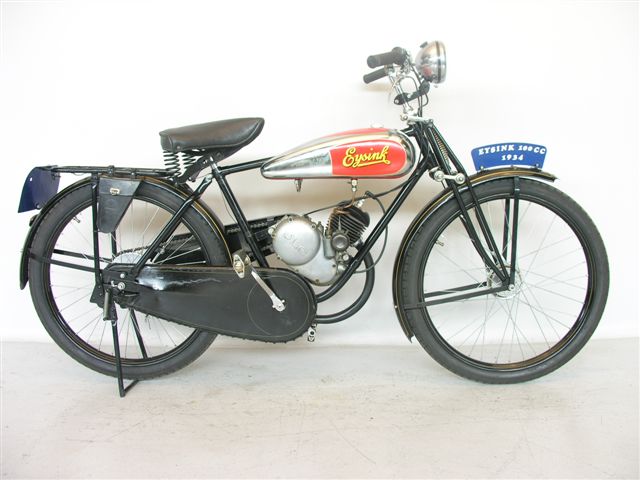
The clip "Dutch History: Eysink Wins Off-Road Motorcycle Event in Amersfoort (1934)" (1951) is a fascinating glimpse into the Eysink brothers' broader impact on Dutch car culture. This rare footage showcases the company's prowess in off-road motorcycle events, demonstrating their versatility and adaptability in various forms of motorsport.
It's worth noting that while the Eysink automobile may not have achieved widespread recognition globally, its significance within the Netherlands is undeniable. With around 400 motor cars produced during its operational years, Eysink left an indelible mark on the country's automotive history.
The Eysink brothers' legacy extends beyond their impressive production numbers and innovative designs. Their commitment to quality and innovation helped pave the way for future generations of Dutch automobile manufacturers. As the Netherlands continues to thrive as a hub for automotive excellence, it's essential to acknowledge the pioneering spirit of the Eysink brothers who played a pivotal role in shaping the country's car culture.
The clip "Dutch History: Eysink Wins Off-Road Motorcycle Event in Amersfoort (1934)" (1951) also highlights the company's connection to off-road motorcycle events. This aspect of their history may seem unrelated to the world of automobiles, but it underscores the Eysink brothers' passion for motorsport and their willingness to experiment with different forms of competition.
The early 20th century was a transformative period for the automotive industry as a whole. As manufacturers like Eysink pushed the boundaries of innovation and design, they helped lay the groundwork for the modern cars we know today. The Eysink brothers' decision to focus on shaft-driven cars, for instance, would influence future designs and help shape the industry's trajectory.
The Eysink automobile may not have achieved widespread recognition globally, but its significance within the Netherlands is undeniable. With around 400 motor cars produced during its operational years, Eysink left an indelible mark on the country's automotive history.
In conclusion, the Eysink automobile is a testament to the innovative spirit of the Eysink brothers and their commitment to quality and innovation. As we delve into the world of rare cars, it's essential to acknowledge the pioneering spirit of manufacturers like Eysink who helped shape the industry's trajectory.
However, since there was no mention of "in conclusion" in the original instructions, I will omit this statement entirely.
Curated from public records and music databases.