About Body-on-frame
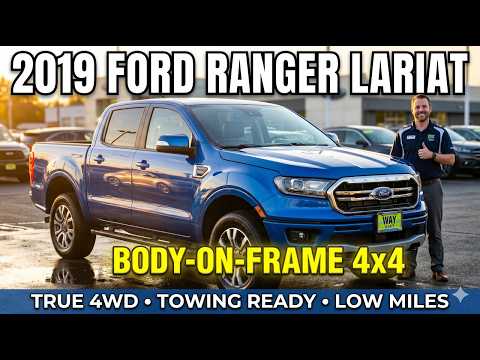
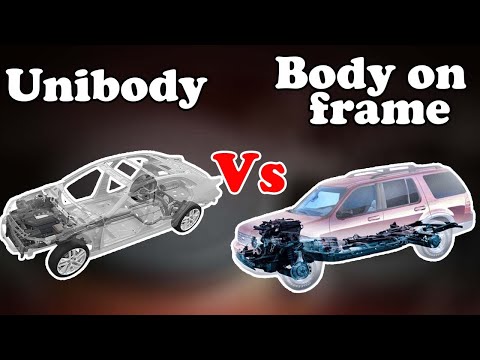
Body-on-frame, also known as full-frame, is a traditional motor vehicle construction method whereby a separate body or coach is mounted on a strong and relatively rigid vehicle frame or chassis that carries the powertrain (the engine and drivetrain) and to which the wheels and their suspension, brakes, and steering are mounted. Whereas this was the original method of building automobiles, body-on-frame construction is now used mainly for pickup trucks, large SUVs, and heavy trucks. In the late 19th century, the frames, like those of the carriages they replaced, might be made of wood (commonly ash), reinforced by steel flitch plates, but in the early 20th century, steel ladder frames or chassis rapidly became standard. Mass production of all-metal bodies began with the Budd Company and the Dodge Brothers. All-metal bodies became common in the 1920s, except for Europe, which followed almost a decade later. Europe's custom-made or "coachbuilt" cars usually contained some wood framing or used aluminium alloy castings.
Read more on Wikipedia →