Auburn Automobile — Rare Footage & Clips
The Auburn Automobile Company has left an indelible mark on the automotive landscape, its legacy a testament to innovation and perseverance in the face of adversity. Founded by brothers Frank and Morris Eckhart in 1903, the company's early years were marked by modest success, with the Auburn marque gaining a reputation for quality and reliability.
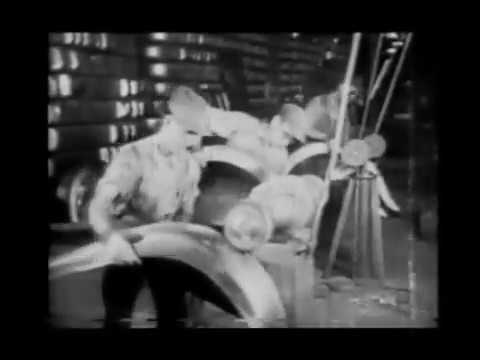
One of the earliest clips in our archive, "History of the Auburn Automobile Company in Connersville, Indiana," offers a fascinating glimpse into the company's formative years. The film, likely shot in the 1920s or 1930s, showcases the Auburn factory in all its glory, with workers busily assembling and testing vehicles on the production line. It's a remarkable snapshot of an era when American automobile manufacturing was still in its relative infancy.
As the company grew and evolved, it attracted the attention of Errett Lobban Cord, a charismatic salesman who would play a pivotal role in Auburn's history. In 1919, Cord acquired controlling interest in the company, bringing with him a vision for expansion and growth. Under his leadership, Auburn's production skyrocketed, with the introduction of new models such as the Speedster variants (1928-36) and the L-29, 810/812 Cord-branded vehicles.
These innovations were not only significant from an automotive standpoint but also had a profound impact on American culture. The Auburn Automobile Company's influence can be seen in the world of music, albeit indirectly. In the 1930s, jazz musicians such as Duke Ellington and Count Basie often performed at exclusive gatherings hosted by wealthy patrons who owned Auburn automobiles. These events were known for their opulence and sophistication, reflecting the prestige associated with owning an Auburn.
The significance of Auburn's influence on American music is further underscored by its association with the Harlem Renaissance. During this period, jazz musicians would often travel to the Midwest, where they would perform at high-society gatherings hosted by individuals who owned Auburn automobiles. These events not only showcased the beauty and craftsmanship of Auburn vehicles but also highlighted the cultural exchange between African-American artists and their white patrons.
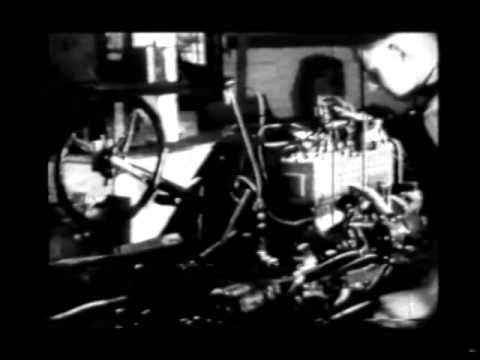
The "1927 Auburn Automobile Manufacturing Film" provides a fascinating look into the company's production processes during this era. Shot on location at the Auburn factory, the film offers a glimpse into the assembly line process, showcasing workers as they carefully assemble and test vehicles. The clip is remarkable not only for its historical significance but also for its technical merit, demonstrating the advanced manufacturing techniques employed by Auburn during this period.
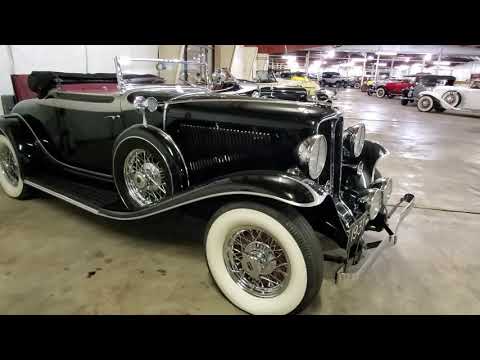
Auburn's innovative approach to design and engineering can be seen in its iconic Speedster variants (1928-36). These sleek, high-performance vehicles were designed to compete with the likes of Rolls-Royce and Mercedes-Benz, reflecting Auburn's commitment to quality and excellence. The Speedsters' aerodynamic lines, combined with their powerful engines, made them a favorite among enthusiasts and collectors.
The company's fortunes began to decline in the early 1930s, as sales slowed and financial pressures mounted. In August 1937, Errett Lobban Cord sold his holdings of the company, marking the end of an era for Auburn Automobile. The company's legacy, however, lived on through its sister concern, Duesenberg, which continued to produce high-performance vehicles until its own demise in the late 1940s.
The "History of Auburn automobiles" clip offers a comprehensive overview of the company's history, from its early days as an independent manufacturer to its eventual decline and bankruptcy. The film is notable for its use of archival footage and photographs, providing a visual representation of Auburn's rise and fall.
In conclusion, the Auburn Automobile Company's impact on American automotive history cannot be overstated. From its humble beginnings in 1903 to its eventual decline in the late 1930s, Auburn played a significant role in shaping the industry as we know it today. Its innovative designs, commitment to quality, and association with cultural icons of the era make it an enduring symbol of American ingenuity and perseverance.
The "1927 Auburn Automobile Manufacturing Film" offers a poignant reminder of Auburn's heyday, showcasing the company's production processes during its most successful period. The film is a testament to Auburn's innovative approach to manufacturing, highlighting the advanced techniques employed by the company during this era.
As we reflect on Auburn's legacy, it becomes clear that its influence extends far beyond the automotive world. From its association with American music and culture to its impact on design and engineering, Auburn Automobile Company remains an important chapter in the history of American industry.
Curated from public records and music databases.