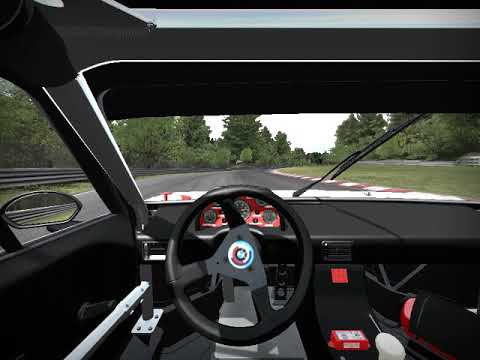
Camaro 1993 Running Footage
The fourth-generation Camaro debuted in 1993 on an updated F-body platform. It retained the same characteristics since its introduction in 1967: a coupé body style with 2+2 seating (with an optional T-top roof) or convertible (introduced in 1994), rear-wheel drive, pushrod 6-cylinder and V8 engines. The standard powerplant from 1993-1995 was a 3.4 L V6, then a 3.8 L V6 was introduced in 1995. A 350 MPFI (LT1) Small Block V-8 engine, which was introduced in the Corvette in 1992, was standard in the Z28. Optional equipment included all-speed traction control and a new six-speed T-56 manual transmission; the 4L60E 4-speed automatic transmission was standard on the Z28, yet optional on the V6 models which came with 5-speed manual as standard. Anti-lock brakes were standard equipment on all Camaros. A limited quantity of the SS version (1996-1997) came with the 330 HP LT4 small block engine from the Corvette, although most were equipped with the 305 hp LT1. The 1997 model year included a revised interior, and the 1998 models included exterior styling changes, and a switch to GM's aluminium block LS1 used in the Corvette C5. In 1998, the 5.7 L LS1 was the first all-aluminum engine offered in a Camaro since the 1969 ZL-1 and carried a 325-horsepower rating.[14] The SS versions (1998-2002) received slightly improved exhaust and intake systems, bigger wheels and tires, a slightly revised suspension for improved handling and grip while retaining ride comfort, an arc-shaped rear wing for downforce, and different gearing ratios for faster acceleration, over the Z28 models. Chevrolet offered a 35th anniversary edition for the 2002 model year. Production of the F-Body platform was discontinued due to slowing sales, a deteriorating market for sports coupés, and plant overcapacity, but an entirely new platform went on sale in 2009 NM- MRPI
About Rear-wheel drive
Rear-wheel drive (RWD) is a form of engine and transmission layout used in motor vehicles, in which the engine drives the rear wheels only. Until the late 20th century, rear-wheel drive was the most common configuration for cars. Most rear-wheel drive vehicles feature a longitudinally-mounted engine at the front of the car.
More about Rear-wheel drive→Added
Know someone who'd love this clip?
Share it with friends and fellow fans.