0 views
Share this clip
Need for Speed III: Hot Pursuit - Ferrari 550 Maranello (F133)
Know someone who'd love this clip?
Share it with friends and fellow fans.
Share this clip
Know someone who'd love this clip?
Share it with friends and fellow fans.
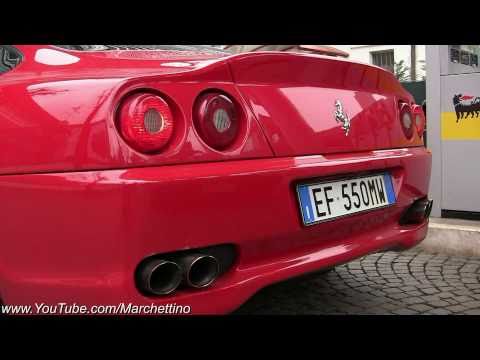
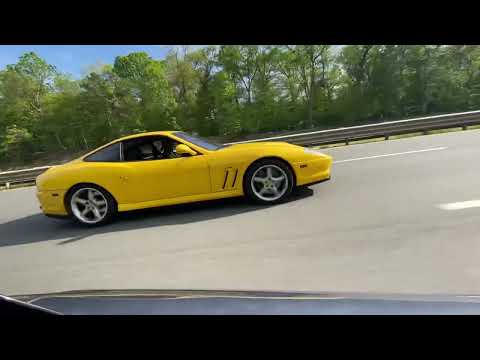
The 1996 Ferrari 550 Maranello (F133) is a landmark model in Ferrari's history, marking a significant return to the front-engine V12 grand touring formula that defined icons like the 365 GTB/4 "Daytona." Here's a comprehensive overview: 1. The Big Shift: • It succeeded the mid-engine, flat-12 Ferrari 512 TR/F512 M. • Its introduction signaled Ferrari's renewed commitment to the classic front-engine, rear-wheel-drive GT layout – a configuration beloved by purists for its balance, spaciousness, and driving feel. • It was the flagship GT model for Ferrari until the introduction of the 575M Maranello in 2002. 2. The Heart: F133 Engine • Type: Naturally aspirated 65° V12 (designated Tipo F133). • Displacement: 5,474 cc (5.5L). • Power: 485 hp (362 kW) @ 7,000 rpm. • Torque: 419 lb-ft (568 Nm) @ 5,000 rpm. • Features: Double overhead camshafts (DOHC) per bank, 4 valves per cylinder, dry-sump lubrication, variable intake geometry. • Character: Known for its incredibly smooth, linear power delivery, immense torque across a wide rev range, and that unmistakable, spine-tingling Ferrari V12 howl at high RPMs. 3. Design & Styling: • Designer: Pininfarina (Lorenzo Ramaciotti). • Key Features: • Classic, elegant GT proportions: Long hood, short rear deck, balanced cab-rearward stance. • Clean, flowing lines devoid of excessive wings or scoops initially (though later GT cars had added aero). • Distinctive circular tail lights integrated into a subtle rear spoiler lip. • Pop-up headlights (a hallmark of the era, later replaced by fixed units on the 575M). • Understated yet purposeful and muscular appearance. 4. Performance: • Top Speed:~199 mph (320 km/h) – A genuine 200 mph contender at the time. • 0-60 mph (0-97 km/h):~4.2 seconds. • Driving Dynamics: Celebrated for its exceptional balance, predictable handling (though requiring respect due to its power), communicative steering, and a supple yet controlled ride quality befitting a grand tourer designed for long distances. The front-engine layout offered more predictable handling limits than some mid-engine predecessors. 5. Transmission: • Initially offered exclusively with a 6-speed manual gearbox featuring Ferrari's iconic open-gated shifter. This became a major selling point for driving enthusiasts. • In late 1997, Ferrari introduced the "F1" electrohydraulic paddle-shift transmission (similar to F355 F1) as an option, marketed as the 550 Maranello F1. While technically advanced, the manual remained the purist's choice. 6. Chassis & Construction: • Steel tubular space frame with aluminum body panels. • Suspension: Front: Independent double wishbones, coil springs, anti-roll bar. Rear: Independent double wishbones, coil springs, anti-roll bar. • Brakes: Large ventilated discs all around with standard ABS. • Weight: Approximately 1,690 kg (3,725 lbs). 7. Interior: • Luxurious yet driver-focused cabin with high-quality leather, carpeting, and metal accents (gated shifter, pedals). • Classic Ferrari layout: Twin cowl instrument binnacle, center console angled towards the driver. • Offered reasonable luggage space behind the seats, emphasizing its GT purpose. 8. Legacy & Significance: • Resurgence of the Front-Engine V12: Revived a core Ferrari identity after decades of mid-engine dominance in the flagship GT line. • Critical Acclaim: Widely praised by the automotive press upon launch for its combination of stunning performance, sublime engine, engaging handling, and true grand touring capability. • Racing Pedigree: Spawned highly successful racing variants: • 550 GT1: Factory-built GT1 race car (though homologation was tricky). • 550 GTS: The hugely successful Prodrive-developed GT car that dominated FIA GT and Le Mans (LM GTS class) in the early 2000s, proving the road car's fundamental strength. • Modern Classic: Considered one of the last truly analog Ferraris with a manual gearbox option and relatively simple (by supercar standards) electronics. Its driving experience is highly sought after. • Production: Approximately 3,083 units were produced between 1996 and 2001. 9. Key Competitors (at the time): • Lamborghini Diablo VT • Aston Martin DB7 Vantage • Porsche 911 Turbo (993/996) • Mercedes-Benz CL600 In Summary: The 1996 Ferrari 550 Maranello is a seminal model. It successfully brought back the front-engine V12 GT to Ferrari's pinnacle, delivering breathtaking performance wrapped in elegant Pininfarina styling, powered by one of the greatest production V12 engines ever made. Its combination of raw power, driver engagement (especially with the manual), touring capability, and subsequent racing success cemented its status as a modern classic and a highly desirable collector's Ferrari today.
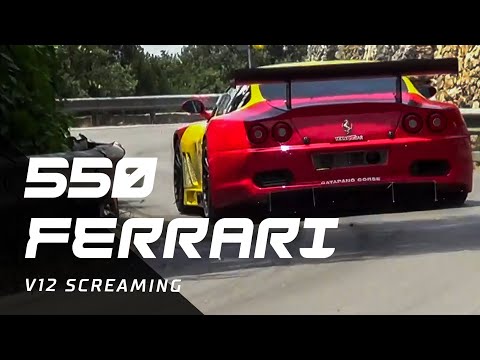
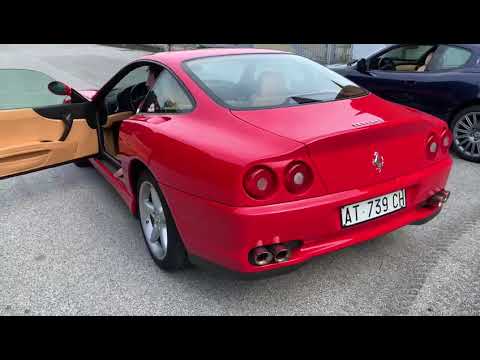
The Ferrari 550 Maranello (tipo F133) is a front-engine V12 2-seat grand tourer built by Ferrari from 1996 to 2002. The 550 Maranello marked Ferrari's return to a front-engine, rear-wheel drive layout for its 2-seater 12-cylinder model, 23 years after the 365 GTB/4 Daytona had been replaced by the mid-engined Berlinetta Boxer. In 2000, Ferrari introduced the 550 Barchetta Pininfarina, a limited production roadster version of the 550 which was limited to just 448 examples.
More about Ferrari 550 Maranello→Added
 2:16
2:16Ferrari 550 Maranello
 0:20
0:20Ferrari 550 Maranello
 0:56
0:56Ferrari 550 Maranello
 0:11
0:11Ferrari 550 Maranello