About Ferrari Testarossa
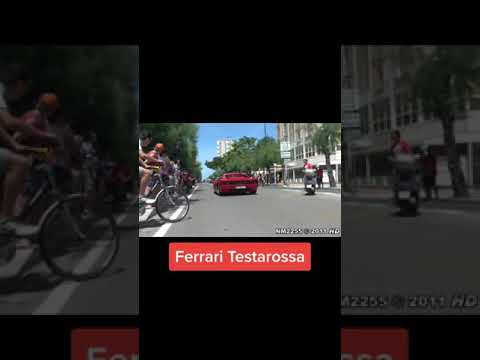
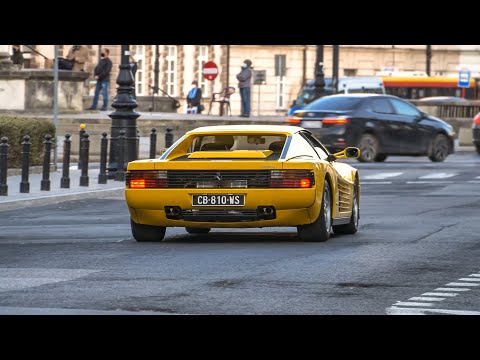
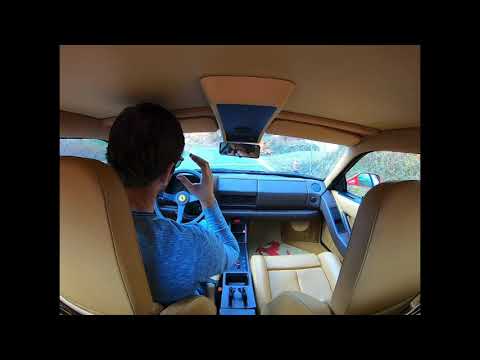
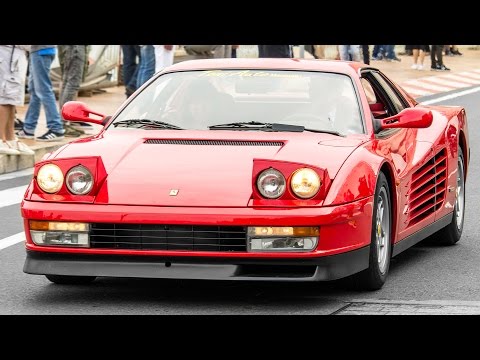
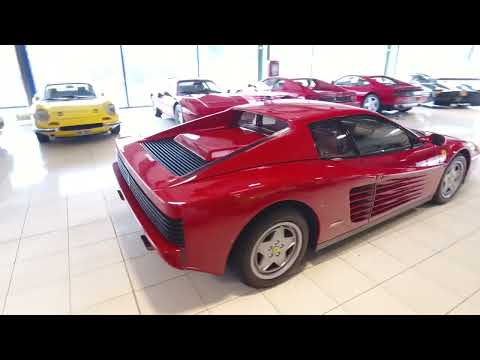
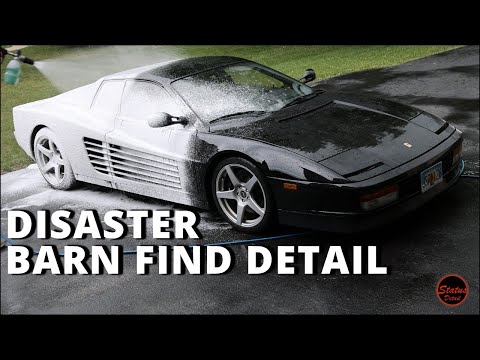
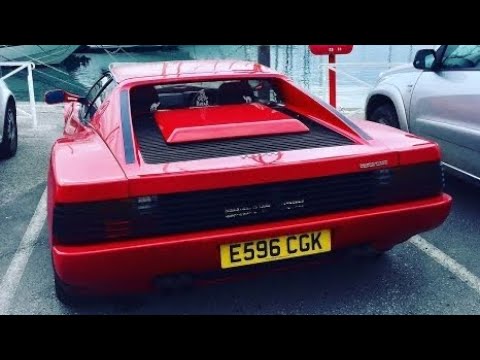
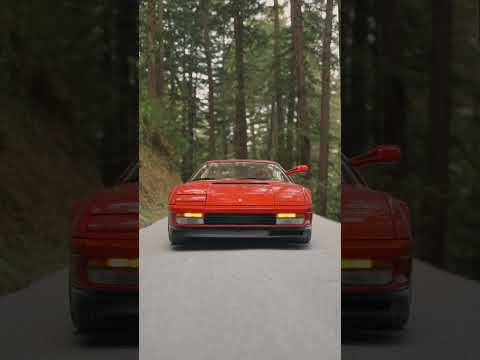
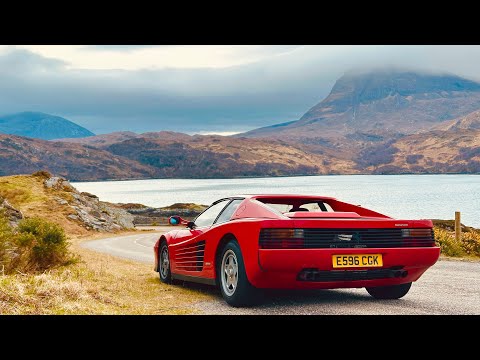
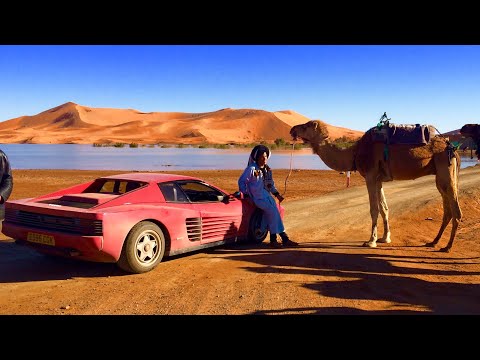
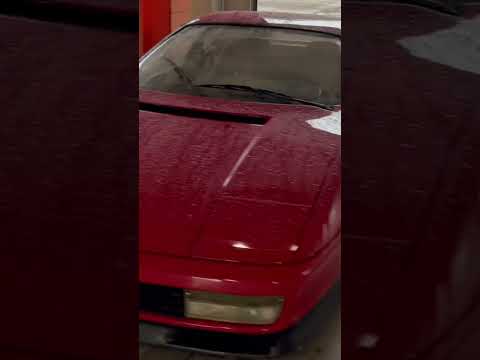
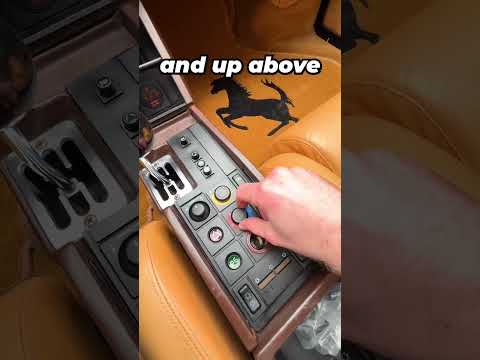
The Ferrari Testarossa (Type F110) is a 12-cylinder mid-engine sports car manufactured by Ferrari, which went into production in 1984 as the successor to the Ferrari Berlinetta Boxer. The Pininfarina-designed car was originally produced from 1984 until 1991, with two model revisions following the end of Testarossa production called the 512 TR and F512 M, which were produced from 1992 until 1996. Including revised variations, almost 10,000 cars in total were produced, making it at the time one of the most mass-produced Ferrari models. The Testarossa is a two-door coupé that premiered at the 1984 Paris Auto Show. All versions of the Testarossa were available with a rear-mounted, five-speed manual transmission. The rear mid-engine design (engine between the axles but behind the cabin) keeps the centre of gravity in the middle of the car, which increases stability and improves the car's cornering ability, and thus results in a standing weight distribution of 40% front: 60% rear. The original Testarossa was re-engineered for the 1992 model year and was introduced as the 512 TR (TR meaning TestaRossa), at the Los Angeles Auto Show, effectively as a completely new car, and an improved weight
Read more on Wikipedia →