About benz patent
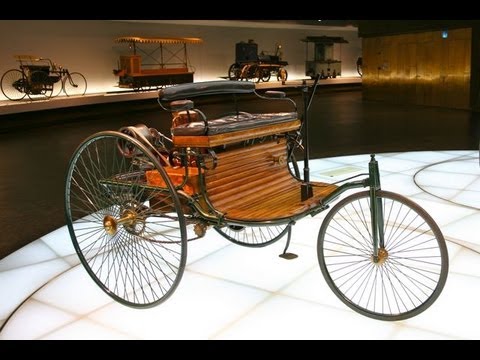
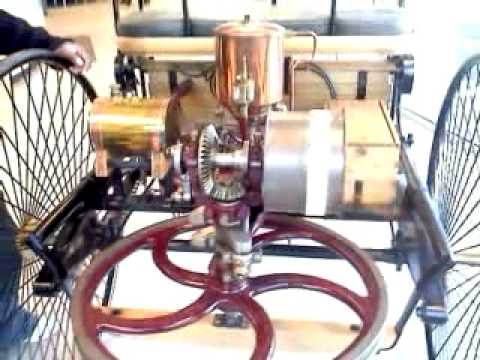
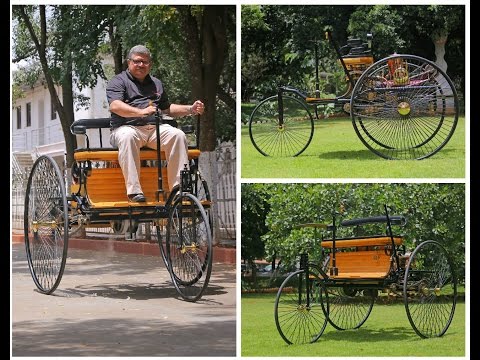
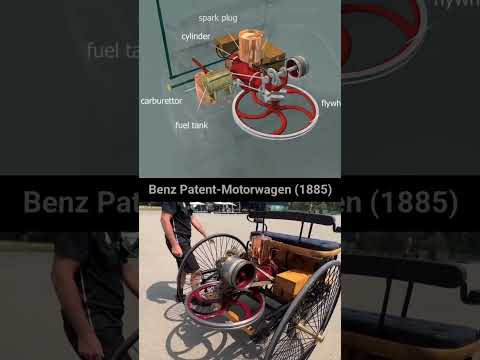
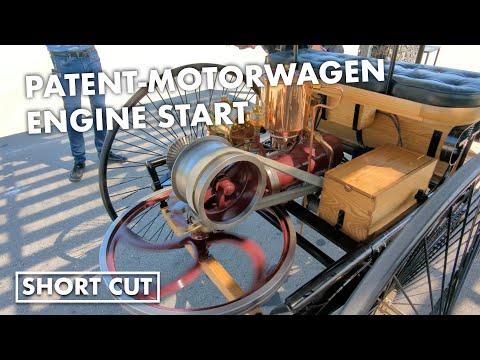
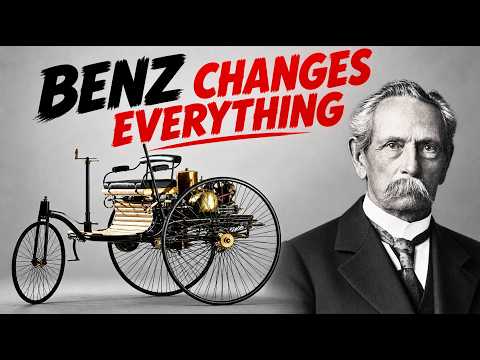
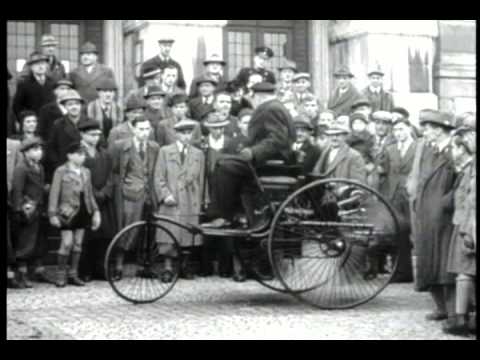
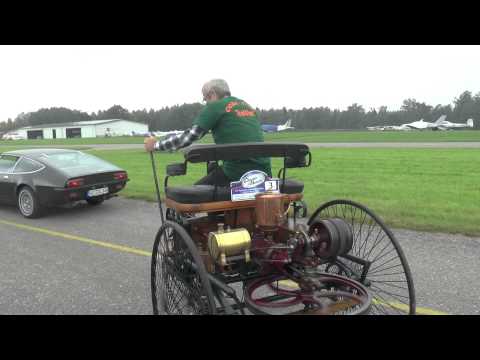
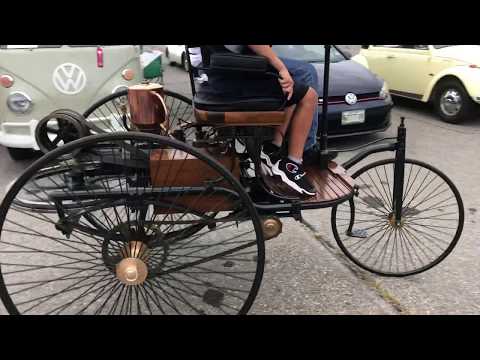
The Benz Patent-Motorwagen ("patent motorcar") was the world's first practical production automobile, built by Benz & Cie between 1885 and 1893. Featuring three wheels, a single-cylinder four-stroke engine and belt-drive, Benz & Cie used the designation "Patent-Motorwagen" for their four-wheel cars until c.1900, but these are known today by their other names, such as Viktoria and Velo. All these cars used the same layout and belt-drive technology for which Benz received patent number DRP37435 in 1886, hence the designation. The original Patent-Motorwagen was developed over the period 1884 – 1887 by the German engineer Carl Benz and is widely regarded as the first practical automobile. The engine's output was stabilised by a flywheel. In the first vehicles this was horizontal and the vehicles had a single belt-drive. Later vehicles had a vertical flywheel and two belt-drives. Each belt-drive gave a single transmission ratio; from 1886 the single-belt-drive vehicles also had a reduction gearbox which provided a second transmission ratio. Production ceased after Benz had perfected two-wheel steering and began manufacturing four-wheel models from late 1892.
Read more on Wikipedia →